

My Path
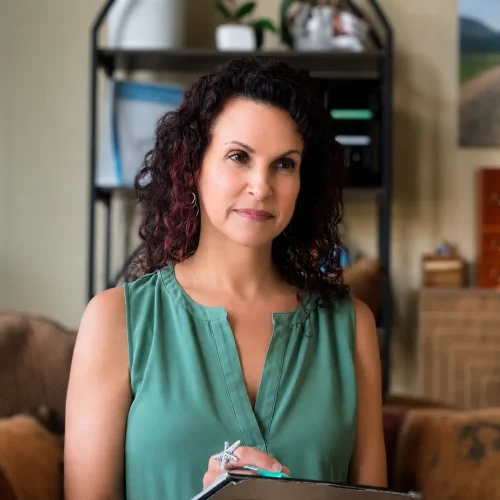
My journey to becoming a trauma therapist was not a direct one. My professional life began in law and public policy, where I gained a deep appreciation for the ways larger systems influence people’s lives. It was meaningful work that taught me to listen carefully, think critically, and understand the complexity of the challenges people face.
Over time, however, I found myself increasingly drawn toward work that allowed me to connect with people more directly. Rather than working at the level of systems, I wanted to sit with individuals, understand their unique experiences, and help them move toward meaningful change.
During a session with my own therapist, we were talking about my career and the questions I had about what might come next. He suggested that I consider becoming a psychotherapist, believing I would be well suited to the work. Although therapy had been part of my own life since childhood, I had never imagined myself sitting in the therapist’s chair. The moment I allowed myself to consider it, I knew it was the path I wanted to pursue.
From that moment on, I knew I had found the work I wanted to do. Becoming a psychotherapist has given me the opportunity to work collaboratively with clients and professional colleagues while doing work that continues to feel deeply meaningful to me.
What continues to make this work so meaningful is the privilege of walking alongside people as they begin to understand themselves in new ways. Again and again, I’ve seen that as people make sense of how their experiences have shaped them, self-criticism often gives way to self-compassion, and possibilities that once felt out of reach begin to feel possible.
It’s a privilege I never take for granted.
Licensure & Clinical Training
As a Licensed Clinical Professional Counselor (LCPC), my work is grounded in evidence-based approaches to trauma recovery, with Eye Movement Desensitization and Reprocessing (EMDR) serving as a primary treatment method. EMDR therapy helps the brain process experiences that continue to feel emotionally or physically present, allowing many people to move beyond simply managing symptoms toward lasting healing.
I also draw from Internal Family Systems (IFS) as a framework for understanding the protective patterns that often develop in response to difficult experiences. Rather than viewing these patterns as weaknesses or flaws, I see them as adaptive responses that once served an important purpose and can now be understood with greater curiosity and compassion.
Because every person’s experiences and goals are unique, I tailor therapy to your individual needs, goals, and pace. Whatever methods we use, they are always in service of the therapeutic relationship and your unique path toward healing.
To learn more about the types of people I work with, tap Trauma or Brain Injury, below: